What does IT mean if someone has high digital visibility?
High digital visibility means people can reliably find, understand, and act on digital information when they need it. In an industrial asset context, it means teams have clear access to trustworthy asset records, operational data, documentation, work status, and performance indicators. Strong visibility reduces guesswork, improves accountability, and helps leaders make faster, safer, evidence-based decisions.
What is visibility in cybersecurity?
Visibility in cybersecurity is the ability to see assets, systems, users, data flows, vulnerabilities, and events across a digital environment. For asset-intensive organizations, this includes knowing what connected systems exist, how information moves, and where risk may be introduced. Better visibility supports stronger monitoring, compliance, incident response, and protection of operational and engineering information.
What are the different types of visibility?
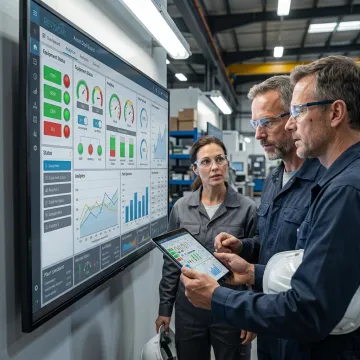
Common types of visibility include asset visibility, operational visibility, data visibility, cybersecurity visibility, process visibility, and performance visibility. In industrial environments, these often overlap. For example, real-time asset visibility combines live operational status, governed asset information, analytics, and workflow context so maintenance, engineering, and operations teams can make informed decisions across the asset lifecycle.
Why is real-time asset visibility important?
Real-time asset visibility helps organizations understand asset condition, documentation status, materials availability, work progress, and operational performance without relying on disconnected spreadsheets or manual updates. It improves safety, regulatory compliance, maintenance planning, and asset performance by giving teams timely access to trusted information from engineering systems, EAM platforms, data historians, document repositories, and analytics tools.
How does ReVisionz create real-time asset visibility?
ReVisionz starts by understanding operational needs, information gaps, and business capability requirements. The team then aligns data standards, governance, systems, integrations, and adoption plans so visibility is practical and sustainable. Rather than forcing one software approach, ReVisionz uses a technology-agnostic model to connect the right data and tools to the decisions teams need to make.
What data is needed for asset visibility solutions?
Reliable visibility depends on governed asset data, consistent identifiers, complete documentation, usable operational context, and clear stewardship. Many organizations already have useful information, but it is fragmented across legacy systems, drawings, vendor records, spreadsheets, and work processes. ReVisionz improves data quality, migration readiness, integration, and governance so teams can trust what they see.
How long does implementation usually take?
Timelines vary by asset complexity, system landscape, data quality, and the number of business processes involved. A focused visibility improvement may begin with assessments, standards alignment, and priority integrations, while enterprise-scale programs include governance, data remediation, technology implementation, change management, and sustainment. ReVisionz structures roadmaps around measurable business outcomes rather than open-ended transformation activity.
Can asset visibility solutions work with existing systems?
Yes. ReVisionz helps organizations strengthen and extend existing EAM, AIM, engineering, document management, analytics, and operational systems. The goal is not always replacement; often the highest value comes from improving data quality, aligning standards, integrating trusted sources, and making information easier to access. This approach increases return on previous technology investments while reducing operational disruption.